Recruiting is a phone job. Coach it like one.
Candidate outreach, client development, and the follow-up between them — staffing runs on the phone. Pomo queues the calls deliberately, coaches each one live, and grades every conversation against your rubric.

Volume tools train nothing
The segment is being sold parallel dialers and calls-per-hour math. But a candidate screen and a client BD call are different conversations, and a recruiter's edge is how well each one goes — not how many rang. The calls happen all day. The coaching usually never does.
Two very different calls, one coach
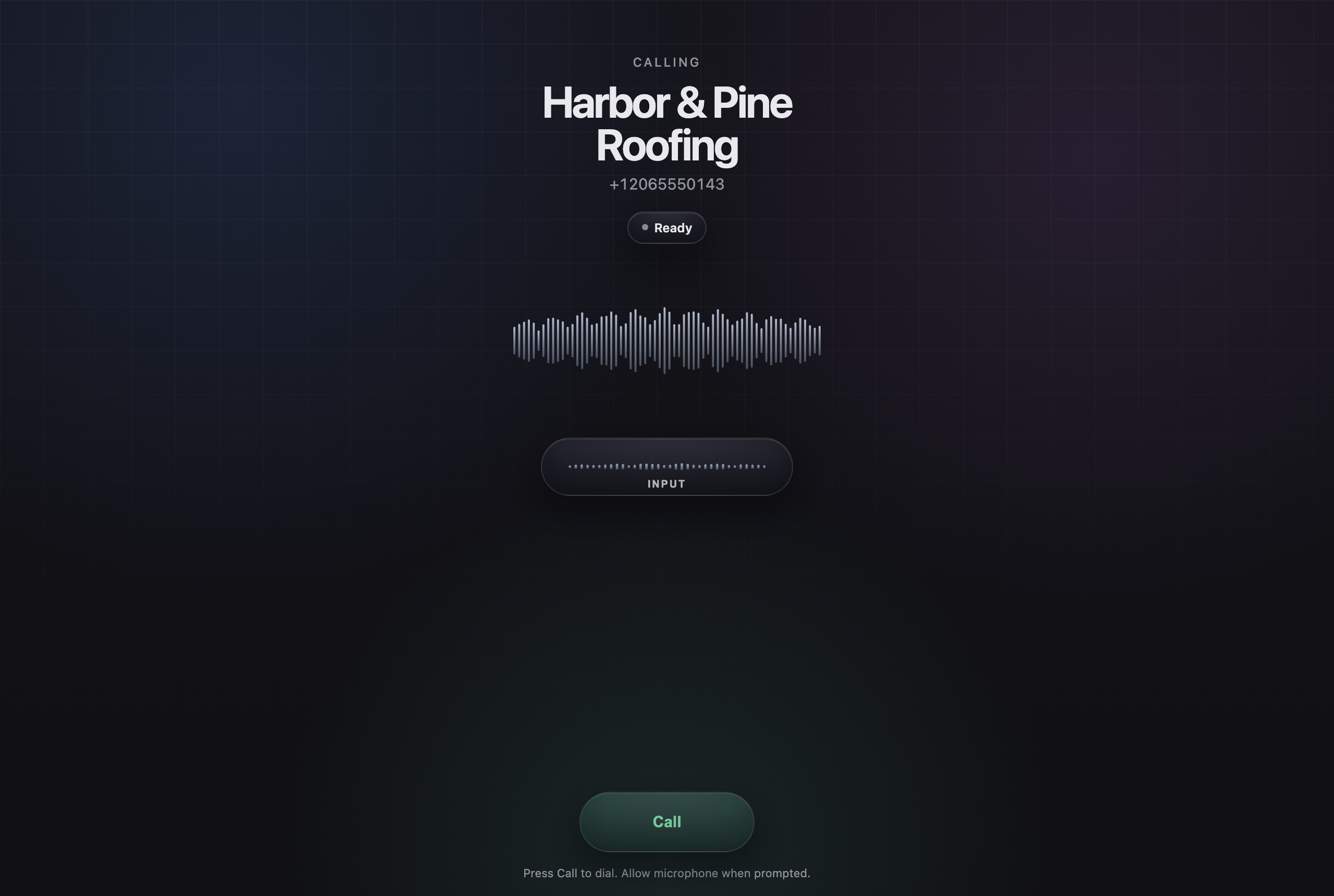
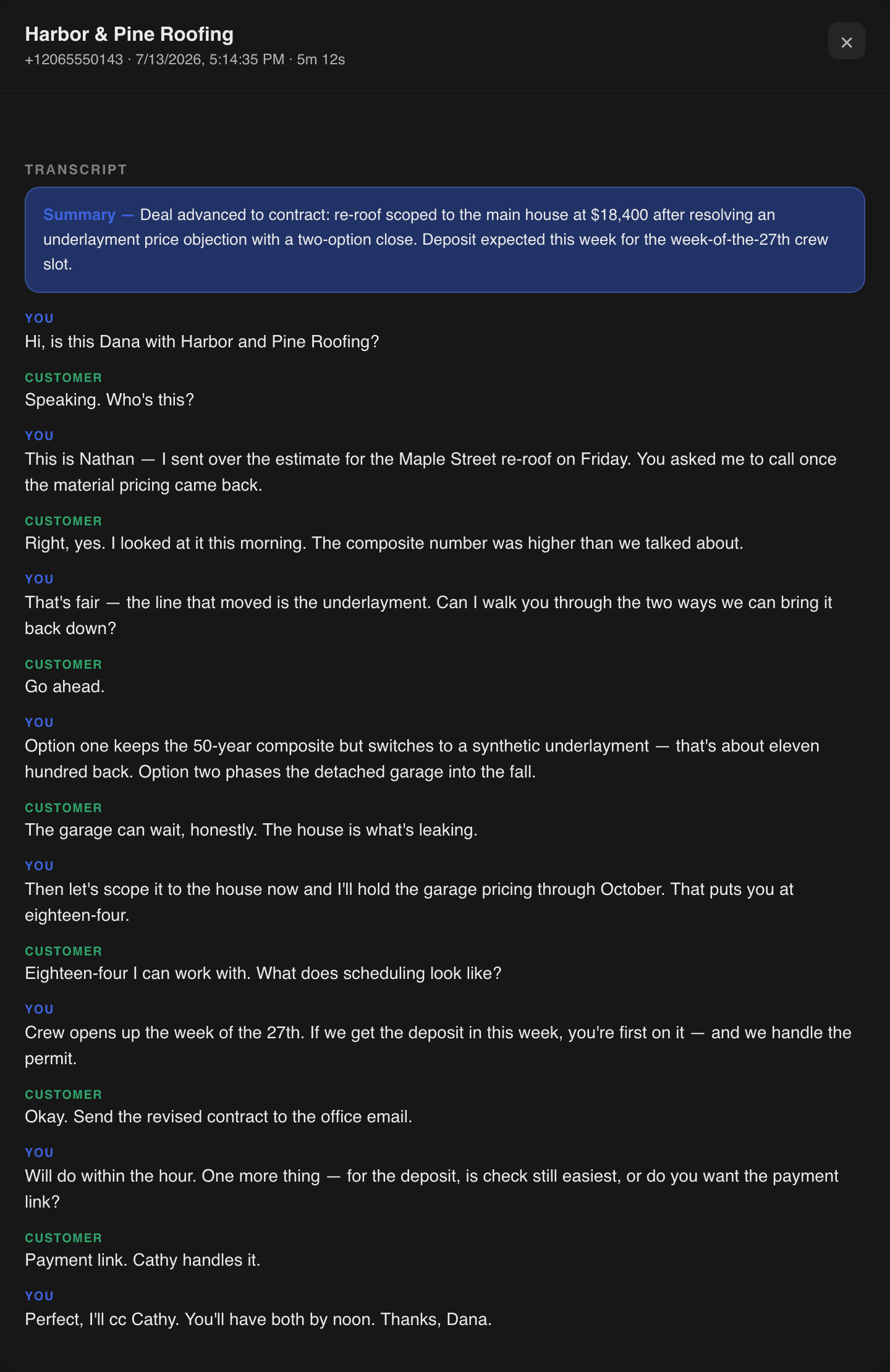
Candidate outreach and client development each get their own template: goals, objectives, notes. The live transcript runs during the call, objections get flagged with a suggested next line, and the recruiter always knows which objectives are still open.
- Per-call-type templates: candidate screen, client BD, follow-up
- Objection detection with suggested lines, in context
- Live objective tracking against the rubric

Every real call trains the recruiter
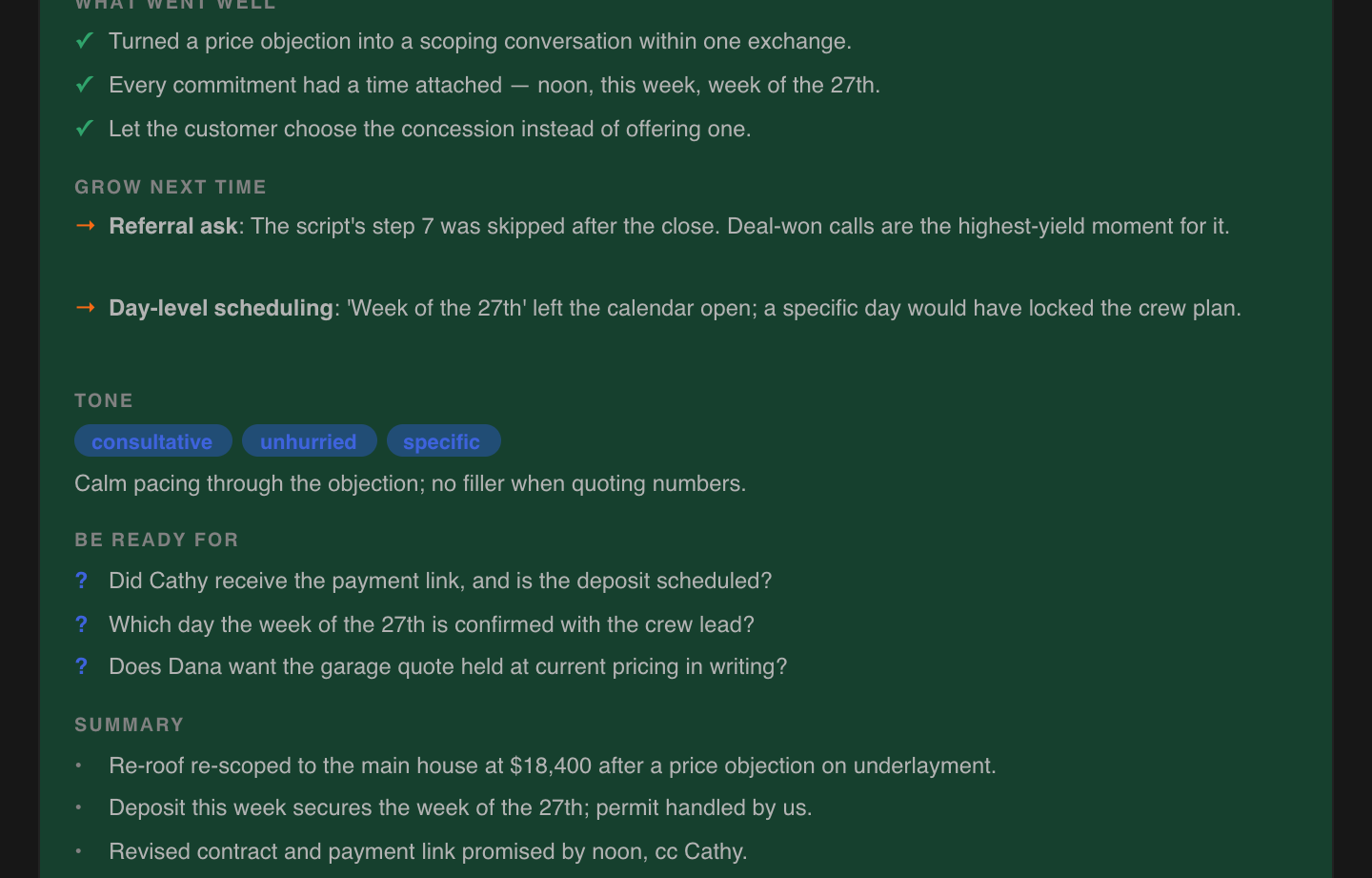
After every call, a scorecard grades the conversation against your rubric: per-objective scores, strengths, growth areas, the follow-up questions that got missed. New recruiters ramp on graded examples of real conversations, and managers review scorecards instead of scrubbing recordings.
How scorecards work
Mapped to the system you already run
Pomo detects callable objects and phone fields in your ATS or CRM schema — candidates, contacts, client companies — and we map them with you during white-glove onboarding. No migration, no code, no rip-and-replace of the database your desk lives in.
How white-glove setup works
Questions
Does Pomo integrate with Bullhorn or our ATS?+
There is no native Bullhorn connector today, and we won't pretend otherwise. Pomo connects through its adapter layer during white-glove onboarding: we detect your phone fields and map candidates and clients with you. If your ATS has an API and a phone field, we build the connection into your rollout.
We're being pitched parallel dialers. Why one call at a time?+
If raw connect volume is the whole strategy, a parallel dialer will out-dial us — that's the honest answer. Pomo's bet is different: fewer, better conversations, each one coached live and graded after. For desks where the placement depends on the conversation, that compounds faster than dials-per-hour.
Can candidate calls and client calls use different rubrics?+
Yes. Each call type has its own template and rubric, so a candidate screen is graded on discovery and a client BD call on positioning. You can change them whenever your process does.
Bring your ATS to the setup call.
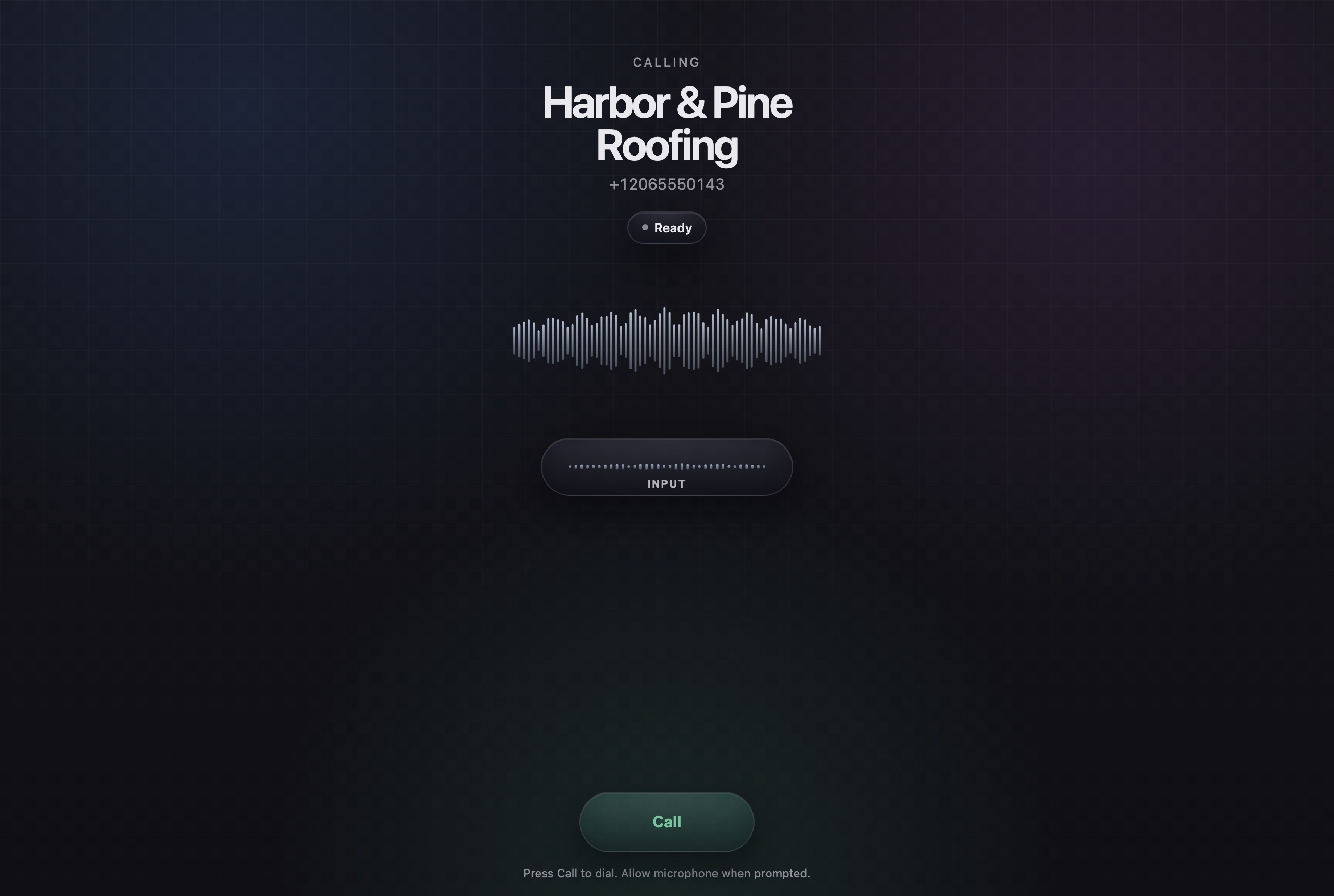
We map candidates and clients live during onboarding, set up your first rubrics, and your recruiters make coached calls the same day.